The Future of In-Home Care: Trends to Watch in 2026 and Beyond
The landscape of in-home senior care is evolving faster than ever, driven by technological innovation, shifting family needs, and a growing desire among older adults to age in place. As we move into 2026 and beyond, the future of caregiving will blend compassionate human support with powerful new tools designed to keep seniors safer, healthier, and more independent at home. Here are the emerging trends shaping what in-home care will look like in the years ahead.
AI-Powered Support for Caregivers and Families
Artificial intelligence is no longer a distant concept—it’s becoming a practical tool in everyday caregiving. In 2026, AI-driven platforms are expected to help caregivers monitor changes in a senior’s routines, moods, or activity levels, alerting families to potential concerns before they become emergencies. Predictive analytics may help identify fall risks earlier, track health patterns, and support caregivers with instant information and safety recommendations. While AI will never replace the irreplaceable human touch of caregiving, it will enhance caregivers’ ability to provide smarter, more responsive support.
Advanced Remote Monitoring and Smart Home Integration
Remote monitoring has already made homes safer, but the next wave of technology will be even more personalized. Smart sensors, wearable devices, and home automation systems are integrating more seamlessly, creating homes that actively “support” aging adults. In 2026, seniors may benefit from real-time health tracking, fall detection with instant alerts, automatic medication dispensing, and voice-activated assistance for daily tasks. This allows seniors to maintain independence while ensuring families and caregivers stay informed—no matter where they are.
Telehealth as a Standard Part of Care
Telehealth surged in popularity in recent years, but in 2026, it is poised to become a fully integrated component of in-home care. Routine check-ins, specialist consultations, and follow-up appointments can occur virtually, reducing stress for seniors and making it easier to stay on top of health needs. For caregivers, quick access to medical professionals offers additional guidance, helping them optimize daily care routines.
Greater Support for Aging in Place
The desire to age at home continues to grow—especially in communities like Fairfield County, where family ties and familiarity matter deeply. As aging-in-place technology becomes more accessible, in-home care providers will play an even bigger role in helping seniors stay where they feel most secure. From customized care plans to safety modifications and tech-enabled monitoring, the focus will be on creating holistic support systems that adapt as seniors’ needs evolve.
Human Touch Remains at the Heart of Care
Despite all the innovation, one thing remains unchanged: the importance of compassionate, personal caregiving. Technology enhances safety and convenience, but it cannot replace the comfort of companionship, the reassurance of a familiar face, or the empathy caregivers bring into the home.
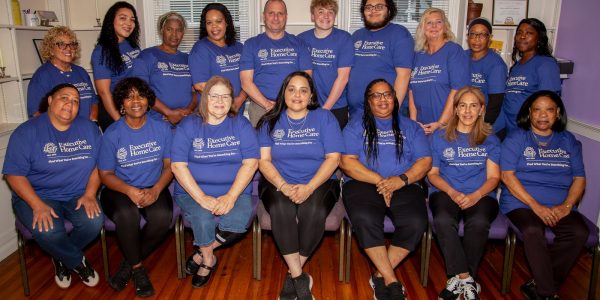
At Executive Home Care of Stratford, we embrace these advancements while staying grounded in what truly matters—delivering exceptional, heart-centered care that helps seniors live confidently at home.
Learn More with an In-Home Consultation
For a customized in-home consultation tailored to your loved one’s needs, connect with your local representative.
Fill out our contact form to take the next step, and your representative will get in touch promptly.