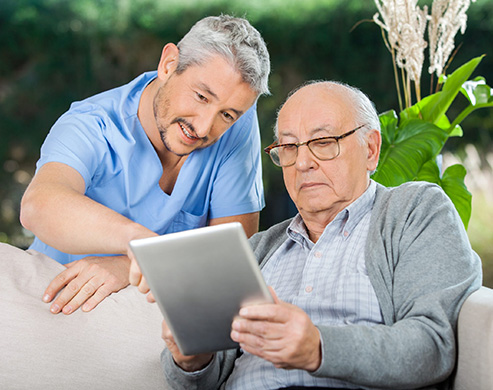
Miles apart and yet so close
On a rain-drenched spring morning in 2020, every hallway in my parents’ nursing home stood silent—locked down against the storm of COVID-19. I was 7,500 miles away, staring at a frozen video-call screen, unable to wipe the worry off my mother’s face or smooth my father’s trembling hand. The world felt impossibly distant, and so did they.
Then, like a signal in the fog, the facility offered each resident a sleek new smartwatch. Overnight, that little device became our lifeline.
A Beacon on Their Wrists
Think of wearable health tech as a lighthouse guiding ships through misty waters. That’s exactly what my parents’ smartwatches did:
- It measured their heart rate and blood sugar, sending gentle beams of data back to their care team.
- It detected falls instantly—no more agonizing waits by their bedside for someone to notice.
- It buzzed at medication times, anchoring their days in familiar routines that once felt lost.
That steady glow of information became our family’s anchor in a storm of uncertainty.
Telehealth: Reviving the House Call
When Mom’s depression worsened after all the covid induced isolation, telehealth brought a counselor right into her sunlit room:
- On screen, the doctor greeted her by name and eased into conversation as if dropping by for chai.
- She guided Mom through gentle breathwork—as though she was in the room with her.
- She connected with me on the progress and what I could to help – from afar.
Telehealth felt less like a clinical appointment and more like a warm visit from a trusted friend.
Tech That Honors Routine
For seniors with memory or mobility challenges, routine is identity. The Alzheimer’s Project shows daily structure reduces anxiety, aggression, and confusion. Technology wove those familiar threads back into my parents’ days:
- At 6 a.m. their watches buzz—a soft digital rooster crow—cueing morning prayers and tea.
- At noon, the smartwatch played a recorded laugh from my kids, reminding them that we were still nearby.
- Come evening, the hallway lights dimmed and a voice assistant gently announced, “Time to water the geraniums”—their ritual since fresh flowers were their greatest joy.
These weren’t sterile prompts; they were echoes of home.
What Families Are Using Most
- Wearable Health Devices (Apple Watch Ultra, Garmin Venu Sq, Medical Guardian MGMove) track vitals and falls.
- Telehealth Platforms (Doxy.me, Zoom for Healthcare) turn living rooms into clinics.
- Medication Management Apps (Medisafe, CareZone) ensure no dose goes missing.
- Smart Home Sensors & Assistants (Amazon Echo, Nest Cam) watch with gentle vigilance.
- Family Communication Portals (CaringBridge, AlayaCare) share updates in real time.
Technology, Trust, and Togetherness
Now, when my parents settle in for the night, I open an app and see their day distilled into a few reassuring graphs. No frantic calls. No endless worries. Just a quiet confidence that they’re safe, seen, and supported—despite every mile between us.
Technology didn’t replace our care. It deepened it, weaving threads of comfort across every ocean.
Ready to explore how modern tech can bridge distance and deepen care in your own family. Contact Executive Home Care today for a free consultation and discover how personalized care can make all the difference.