It happened in a moment. Mr. J reached for his favorite mug on the top shelf, lost his balance, and slipped. Thankfully, he wasn’t badly hurt—but the scare was enough to remind his family that falls are one of the biggest home safety risks for older adults.
In fact, 1 in 4 Americans over 65 experiences a fall each year, and falls are the leading cause of injury-related ER visits among seniors. The good news? Many falls are preventable with the right precautions at home.
Here are practical tips to keep seniors safe, steady, and confident in their own homes.
1. Clear the Pathways
Clutter, cords, or small rugs can be hidden hazards. Walk through the home and:
- Remove loose throw rugs or secure them with non-slip backing
- Keep walkways clear of shoes, bags, and pet toys
- Ensure hallways and stairs are well lit
Even small changes can make a big difference in preventing stumbles.
2. Add Safety in the Bathroom
Bathrooms are the most common spot for falls. Simple additions like:
- Grab bars near the toilet and shower
- Non-slip mats in the tub
- A shower chair or handheld showerhead
These tools give seniors stability and confidence where surfaces are often wet and slippery.
3. Light the Way
Vision changes with age, and poor lighting increases fall risk. Brighten the home with:
- Night lights in bedrooms, hallways, and bathrooms
- Motion-sensor lights for stairways or entryways
- Higher-wattage bulbs in frequently used rooms
A well-lit home helps seniors move safely, day or night.
4. Support Balance and Strength
Falls aren’t just about the environment—they’re also about the body. Regular exercise improves balance, strength, and flexibility. Activities like:
- Walking or light stretching
- Tai chi or yoga (great for balance)
- Chair exercises for those with mobility limits
Encouraging just 30 minutes of movement a day can significantly lower fall risk.
5. Review Medications and Health Conditions
Some medications cause dizziness or drowsiness. Seniors should review prescriptions regularly with their doctor or pharmacist. Routine eye exams and hearing checks also make a difference—since poor vision and hearing can both increase fall risk.
6. Consider Extra Support
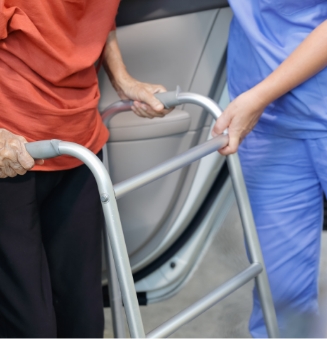
Home care can be the difference between risk and reassurance. Caregivers assist with mobility, watch for hazards, and encourage safe movement—helping seniors stay independent while reducing fall risk and increase home safety. Families gain peace of mind knowing someone is there to steady each step.
A Safer Tomorrow Starts Today
Falls don’t have to be an inevitable part of aging. With a few thoughtful changes, seniors can remain safe and confident at home.
Because every step matters—and with the right support, those steps can stay steady, strong, and full of life.